
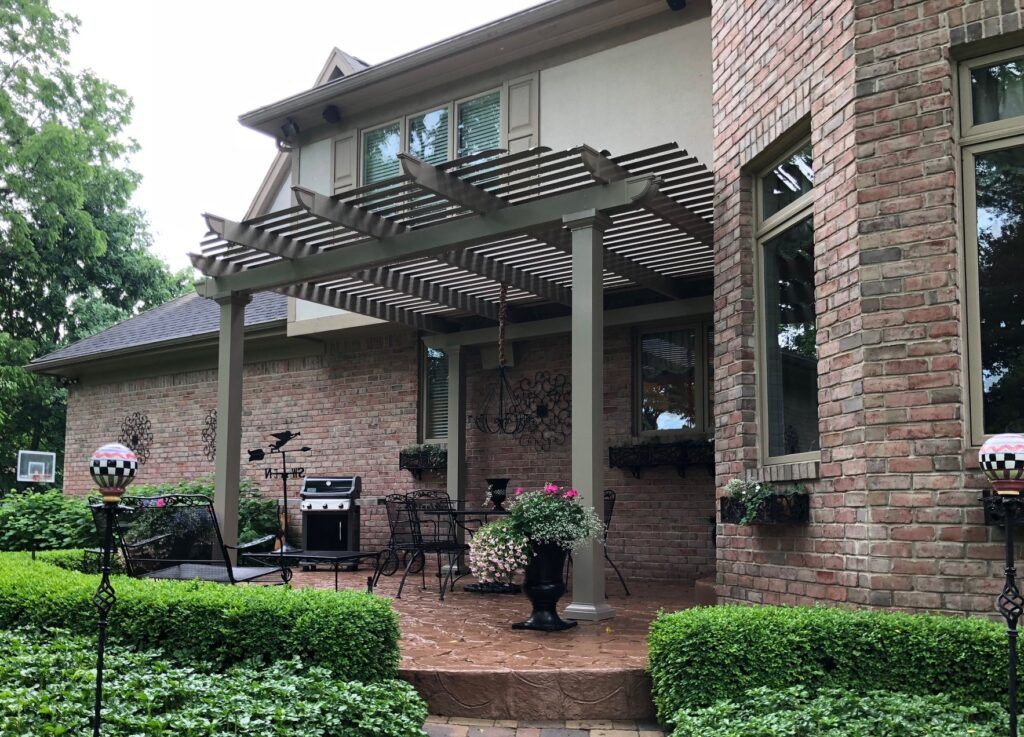
As 2026 approaches, many homeowners are setting their sights on transforming outdoor spaces into extensions of their homes. Whether you’re envisioning a backyard retreat or a stylish entertaining area, thoughtful planning now can help you achieve the perfect balance of beauty, comfort, and function.
Assess Your Current Space
Before jumping into a renovation, take a close look at what you already have. Identify what works—like shade, layout, or existing greenery—and what doesn’t. This step ensures your future upgrades are strategic and address your unique needs.
Define Your Priorities
Every outdoor renovation should start with clear goals. Do you want a low-maintenance landscape, a dining space for entertaining, or a cozy area for relaxation? Setting priorities early helps guide design decisions and keeps your project on budget.
Choose Durable Materials
Selecting long-lasting, weather-resistant materials is essential for outdoor improvements. Consider options like composite decking, natural stone, or aluminum structures that withstand seasonal changes while maintaining their aesthetic appeal for years.
Incorporate Energy Efficiency
Sustainability is more than a trend—it’s a smart investment. Solar lighting, efficient irrigation systems, and insulated patio covers can lower energy costs and reduce environmental impact while enhancing your space.
Plan for Future Flexibility
Think beyond 2026 by designing spaces that can adapt to changing needs. Modular furniture, multi-purpose patios, and versatile shade structures provide long-term usability as your lifestyle evolves.
A successful outdoor renovation starts with a solid plan. By assessing your space, setting clear goals, choosing durable and efficient materials, and thinking ahead, you can create an outdoor area that works for your life now—and adapts as your needs change. Start now, and by 2026, you’ll be enjoying a space that’s not only beautiful, but built to last.